
A Passion for Jaguars
Martin Lane, the driving force behind Lanes Cars, has been a car enthusiast since he could walk. His journey began with a BRG Austin Healey Frog Eyed Sprite and has since included numerous MGs, Volkswagen Beetles, and, of course, his beloved Red E-Type Jaguar.
With decades of experience in the automotive industry, Lane has worked for Guest Motors, Thomas Startins, BMC, Meteor Ford, Evans Halshaw, and Stillmans Mercedes Benz. In 1993, he established his own showroom, specializing in executive and classic cars.Lane’s passion for classic Jaguars led him to open a dedicated E-Type Jaguar Center in Staffordshire, offering in-house fabrication, bodyshop services, and a comprehensive range of restoration and rebuild options. Over the years,
Lanes Cars has bought and sold hundreds of E-Types worldwide and has restored numerous historically significant vehicles.In 2017, Lane embraced the future of automotive technology by investing in RBW EV Cars to become their main distributor and new car agent and also In 2017, Lanes embraced the future of automotive technology by investing in RBW EV Cars to become their main distributor and new car agent. Lanes has also consulted on post-war Italian sports car development, bringing his expertise in golden-age automotive design to electric vehicle projects.
In 2024, Lanes founded Watling Automobiles, to creating handcrafted sports cars that honor the golden age of Italian and British automotive sculpture using proven modern drivetrains and traditional British coachbuilding methods.
Lanes Cars Today, Lanes Cars operates from a showroom at The Motor Museum of Speed at Pendine, West Wales, and specializes in all aspects of classic Jaguar rebuilds, restorations, bodywork, sales, servicing and maintance, with a team of experienced technicians and a commitment to excellence, Lanes Cars is dedicated to preserving the Jaguar legacy and the rolling art of Italian coachbuilding and help to continue classic cars of the post war and 1960s driving into the future.
Out of Hours
I’m a passionate automotive enthusiast with a particular fondness for vintage racing cars. From the roaring V12s of the 1920s to the elegant twin-cam engines of the 1930s, I’ve always been captivated by the speed and innovation of these machines. The golden age of racing, in the 1940s Mille Migla 1950s and 60s, Le Mans with iconic brands including Jaguar, Audi, Alfa Romeo, Cisitalia, Fiat, Ferrari, Maserati and Mercedes Benz, continues to fascinate me, and who can forget the thrilling rallies of the 1970s, especially the legendary Ford Escorts driven by Roger Clarke?
When I’m not immersed in the world of classic cars, I’m often exploring the latest technological advancements. Staying up-to-date with the newest gadgets and innovations is a personal hobby.
In my downtime, you’ll find me enjoying leisurely walks with my dog along coastal cliffs, frequenting local pubs, or tinkering with my own classic cars. Oh, and did I mention I also have a farm in West Wales? It’s a great place to unwind and get my hands dirty.
Regards
Martin
Lanes Cars at Pendine – Motor Museum of Speed Complex
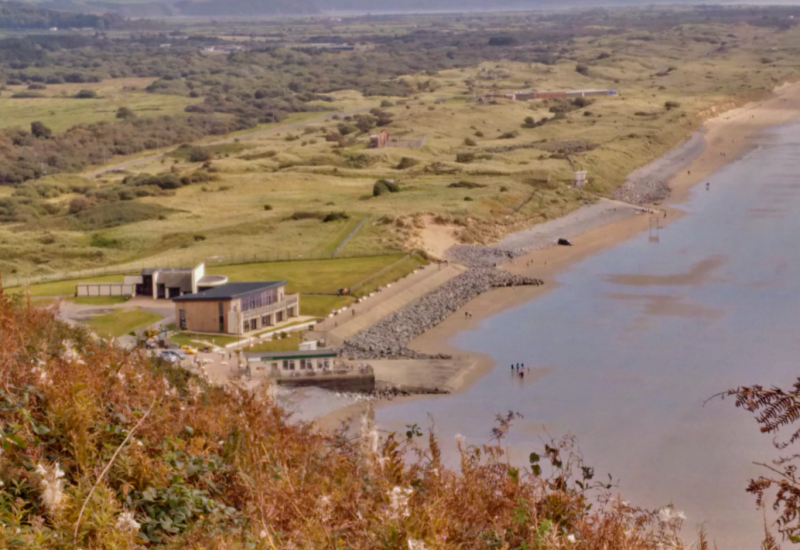
Why not mix pleasure with businesss?
As a visitor to our Pendine Motor Museum of Speed, you might enjoy taking a break to explore our new, state-of-the-art facility dedicated to Thomas Parry and his record-breaking car Babs. From here, you can embark on a scenic drive along the coast to Anglesey in just over four hours.

This itinerary offers a taste of Pembrokeshire’s rich history, stunning scenery, and delicious food.
Day 1:
* Start your journey at Browns Hotel in Laugharne, a charming village with literary connections to Dylan Thomas.
* Next, head to the Boat House, a historic landmark associated with Dylan Thomas.
* Continue your drive to Pendine, famous for its 7-mile beach, a haven for speed enthusiasts.
* For lunch, you have two options:
* Lotus Chinese Restaurant, a favorite of yours run by your friend Kim (located in Pendine).
* The Stone Crab in Saundersfoot, offering fresh seafood with a seaside view.
* In the afternoon, explore the Motor Museum of Speed complex in Pendine, showcasing legendary racing cars like the “Bluebird.”
* End your day in Tenby, a picturesque seaside town known for its 13th-century medieval walls.
* Enjoy a delicious evening meal at Plantagenet House, a historic building in the heart of Tenby.
Optional Extension:
For a longer stay, continue your journey to St David’s, the smallest city in the UK. Explore its magnificent cathedral and charming streets.
* Along the way, discover hidden gems like country pubs, restaurants, and boutique hotels.
* Treat yourself to a luxurious stay at Roch Castle Hotel, a historic castle voted one of the best hotels in Wales (built in 1195).
This itinerary provides a flexible framework, allowing you to choose your preferred restaurants and adjust the pace based on your interests. Enjoy your relaxing exploration of Pembrokeshire and beyond!
Pendine Sands – Land Speed Records
In the 1920s it became clear that roads and race tracks were no longer adequate venues for attempts on the world land speed records. As record-breaking speeds approached 150 mph (240 km/h), the requirements for acceleration to top speed before the measured mile and safe braking distance afterward meant that a smooth, flat, straight surface of at least 5 miles (8.0 km) in length was needed.
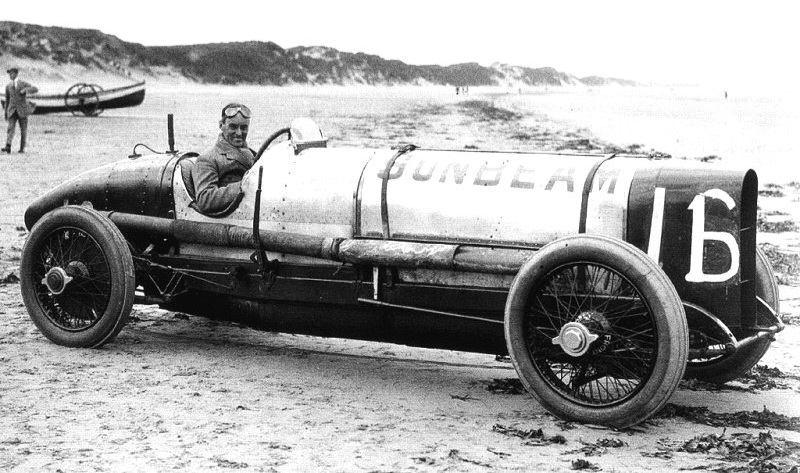
Malcolm Campbell was first to use Pendine Sands for his land speed record attempt on the 24th of September 1924 with his Sunbeam 350bhp Blue Bird and set a new land speed of 146.16 mph, Blue Birds 350bp Sunbeam engine no doubt he would have been assisted by Louis Coatalen chief engineer of Sunbeam Motor Company from Wolverhampton in his endeavor, who at the time was at the cutting edge of early racing engines with his Sunbeam Toodles 11 that had been born from his less successful Sunbeam Nautilus engine, Coatalen won 22 prizes in Toodles II at Brooklands in 1911 and also achieved a flying mile of 86.16 mph (138.66 km/h) to take the 16 hp Short Record.
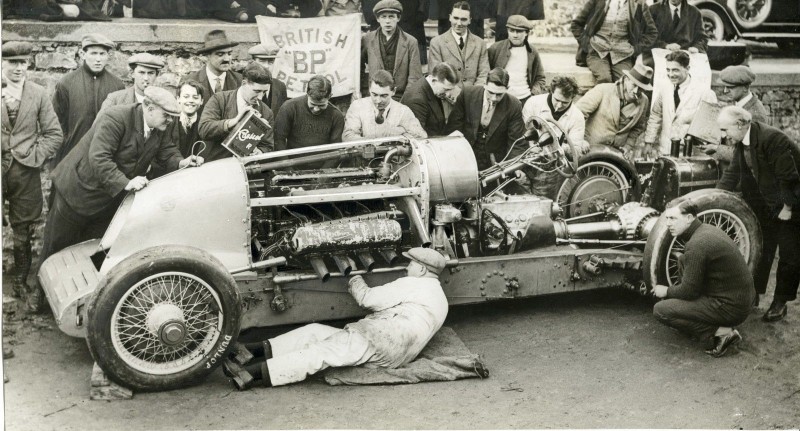
Followed by in April 1926 by Thomas Parry with his 27- liter Liberty powered car Babs who broke the land speed record by achieving 171 mph, who lost it to Campbell’s successful second land speed record of 174.224 mph in February 1927 in his Napier Lion V12 500bhp – Campbell Blue Bird.
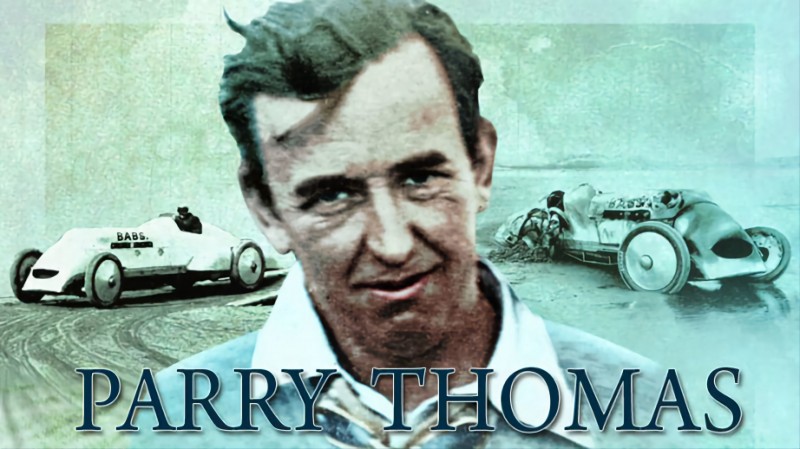

Parry-Thomas returned to Pendine in March 1927 with an improved Babs. Tragically, during this later attempt, Parry-Thomas lost control at speeds of over 100mph and he crashed, being killed instantly.
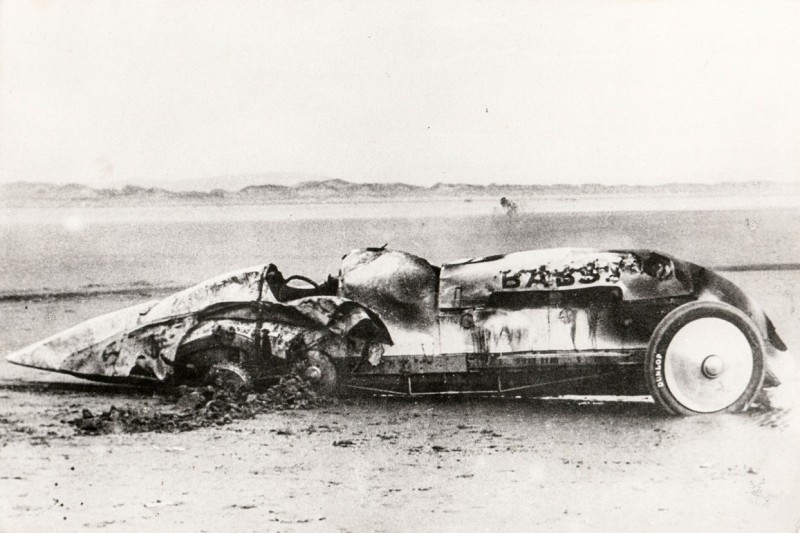
Babs is now on display at the Motor Museum of Speed where you can visit & discover Bab’s history.

If It Has Four Wheels I am Interested
Martin Lane has always had a very keen interest in early car racing from the dawn of motoring from The Gordon Bennett Cup which started in Paris Europe in 1900 an event that proved crucial in the racing world. This was an annual race which attracted international competitors from around the world and in which each country could register up to three cars for the next six years.
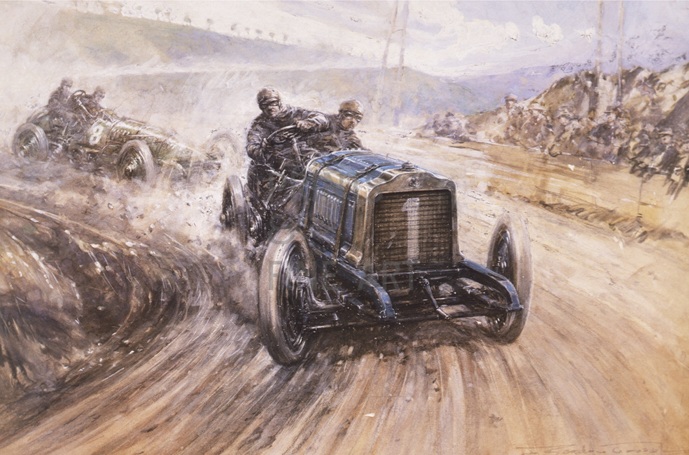
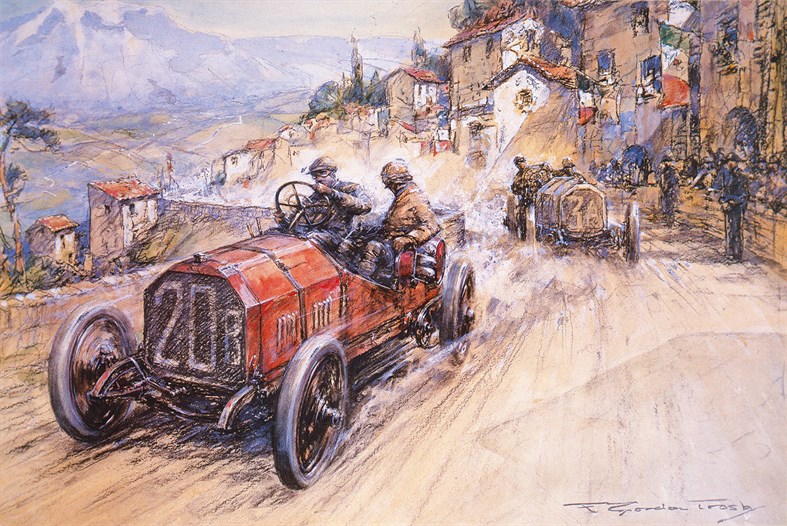
The first race that bore the name Grand Prix followed In 1906, the first race which was organized by the Automobile Club of France (CAF) and ran for two days in the month of June. The circuit, located in Le Mans, had a total length of around 105 kilometers (65 miles) with 32 participants, representing 12 different automakers.
Britain the First in the World to have a Purpose Built 2.76 mile Motoring Race Circuit at Brooklands, Weybridge in 1907

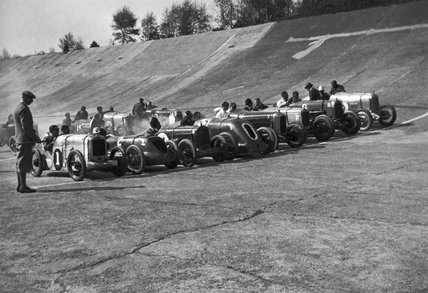
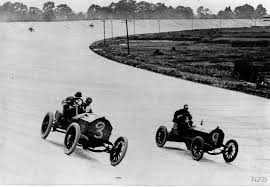
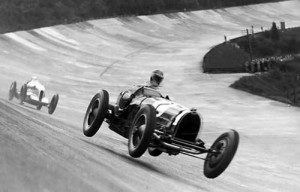
Before the first race was even run, Brooklands was the venue for a dramatic speed record attempt. A few days after the ceremonial opening of the Motor Course in June 1907, the motor-racing pioneer, Selwyn Francis Edge, used the Track for establishing a 24 hour record. With hundreds of roadside lanterns to mark the inner edge of the Track and bright flares to illuminate the rim, Edge drove his green six-cylinder Napier for the whole 24 hours covering 1,581 miles at an average speed of almost 66 miles an hour. Supported by two other Napiers on the run, Edge established a record that stood for 17 years.
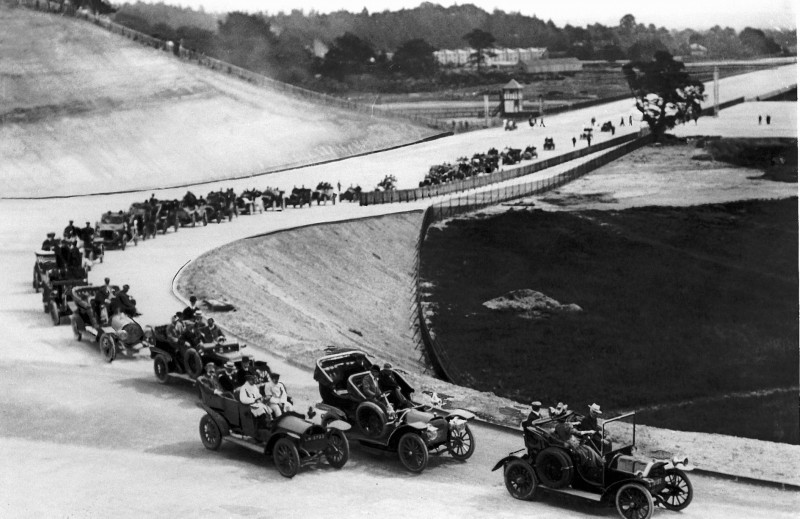
The first official race was held on the 6th July 1907 and was greeted by the press as a ‘Motor Ascot’. Because Brooklands was the world’s first purpose-built motor racing circuit, there were no established rules to follow. To begin with, many of the procedures were based on horse racing traditions, partly in an attempt to attract a ready-made audience to this new and curious sport. Cars assembled in the ‘paddock,’ were ‘shod’ with tyres, weighed by the ‘Clerk of the Scales’ for handicapping, and drivers were even instructed to identify themselves by wearing coloured silks in the manner of jockeys.
Successful Brooklands racer Margaret Allan
Margaret Allan was born in July 1909 in Renfrewshire into a wealthy family that owned the Allan Line Steamship Company. Her upbringing was not typical of the day. The Allans were unconventional in their day and believed in a woman’s right to experiences and opinions. Her aunt was a well-known suffragette who was imprisoned for her beliefs.
Margaret Allan started to take an interest in the activities of the Women’s Automobile and Sports Association. It is said that she was not impressed by the attitudes of the trials drivers. She felt that the professional female drivers did not show the same dedication to their race craft that she had shown to road driving.
In December 1930, she successfully completed the London-Gloucester Trial in a Riley 9, earning the Ladies’ Prize. Her driving was described as “neat and fast” by Motor Sport magazine.
She then competed in her first major rally with a factory-entered Riley 9, as co-driver to Eve Staniland in the 1932 Monte Carlo Rally; they finished in tenth place and were runners-up for the Coupe des Dames. Margaret became a keen rally driver and entered the Monte Carlo rally for the next three years driving a Rolls-Royce, a Triumph, and an AC.
In 1932 her father purchased a supercharged Lagonda for her. It was with this car that she made her circuit debut at Brooklands, driving as part of the WASA entry in the Inter-Club Meeting.
In July that year, accompanied by her brother Hamish, she competed in the Alpine Trial with a Wolseley Hornet. This was regarded as the most testing road event in Europe; it lasted for seven days and attracted entries from many major manufacturers. She achieved a remarkable success for a relatively inexperienced driver, winning a Glacier Cup, for losing no marks, and tying for the ladies’ prize.
For the 1933 season, she had a 3-litre Bentley fitted with a 4½ litre engine, and in this, she gained her first racing win. This was once again in the Brooklands Inter-Club meeting. She came first in a handicap race, lapping the Brooklands Outer Circuit at 97.65mph. She had a second Brooklands win at the 1934 Easter meeting, driving the Bentley to victory in the Ripley Junior Long Handicap.
The MG Cars team asked her to join their squad for the Light Car Club’s 1934 200-mile Relay Race at Brooklands. Their all-female team, driving MG Magnettes, took third position overall in a race that ended amidst a torrential thunderstorm.
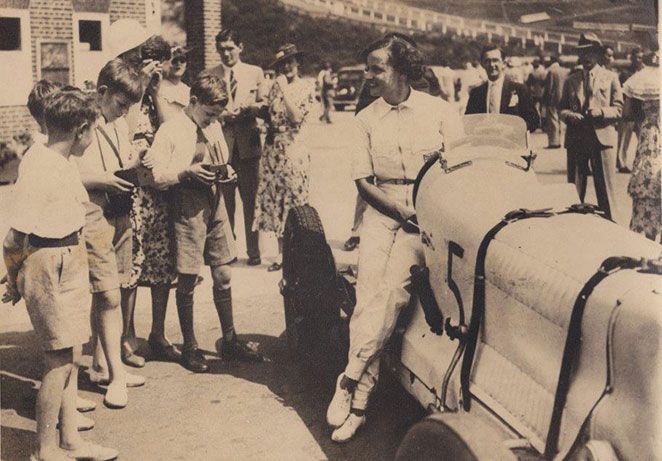

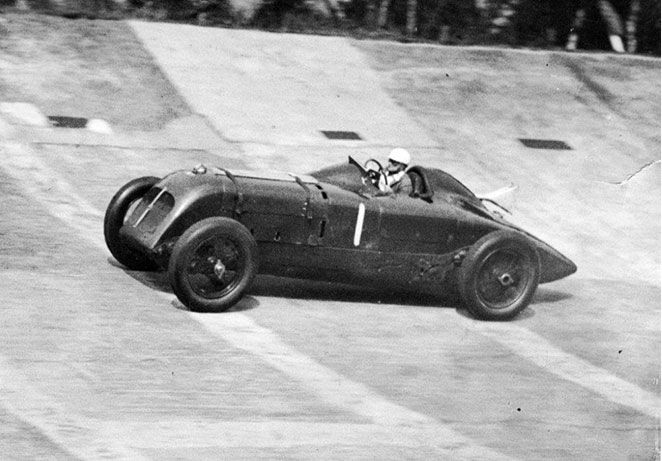
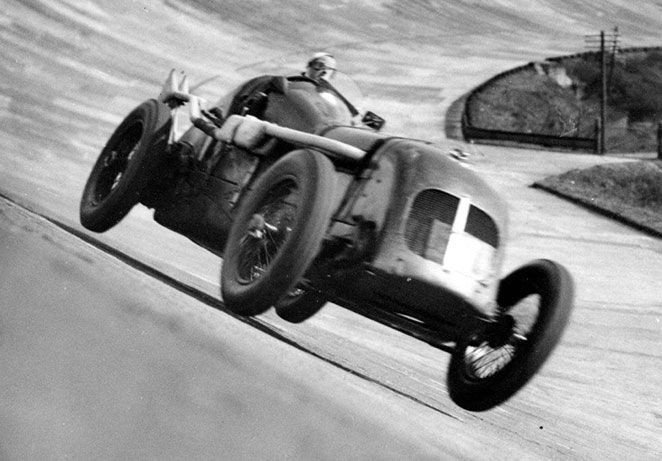
She then joined George Eyston’s all-ladies team, “the Dancing Daughters”, driving a works-prepared P-type MG in the 1935 Le Mans 24-hour race. All three cars finished the race and gained much publicity for MG. Allan shared a car with the Australian driver Colleen Eaton and they finished in 26th place.
In a handicap race at the 1935 Brooklands Easter meeting she came second, driving “Old Mother Gun”, a 4½ litre Bentley belonging to Richard Marker. This car had won the Le Mans race in 1928 and was now fitted with a single-seater body.
In the same year, she drove a Frazer Nash and won a handicap race at the August Bank Holiday meeting, lapping the circuit at 119.15mph. In practice for this meeting, she lapped the track at 127.05mph but a subsequent attempt to take the 1500cc record for the track with this car failed after mechanical problems.
1936 was probably the most successful year of Margaret Allan’s racing career. At Brooklands, she beat Earl Howe’s outer circuit 1,500cc record of 127.05mph, but her lap wasn’t officially recorded, so she missed out on the coveted Brooklands 120mph badge. She then came close to claiming the badge at the 1936 March Short Handicap race, when she was recorded lapping at 119.36mph in ‘Mother Gun’.
It was in 1936 that Marker fitted the Bentley with a 6½ -litre engine, which made it a very fast car indeed. Margaret Allan drove it at the opening Brooklands meeting and, lapping at 119.15mph, gained second place in a handicap. She drove it again at the Whitsun meeting and won the Second Whitsun Long Handicap at an average of 115.25mph, including a fastest lap of 122.37mph. For this, she was awarded a coveted 120mph Brooklands Badge.
The following year, Margaret Allan married Christopher Jennings. Margaret Jennings did not continue with her motor racing, and she became a journalist.
A little know fact:
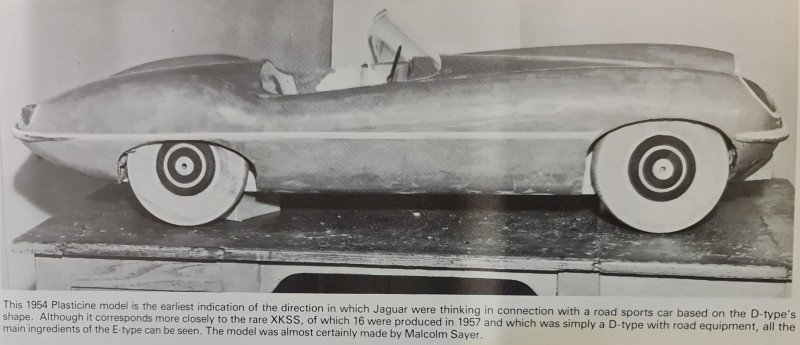
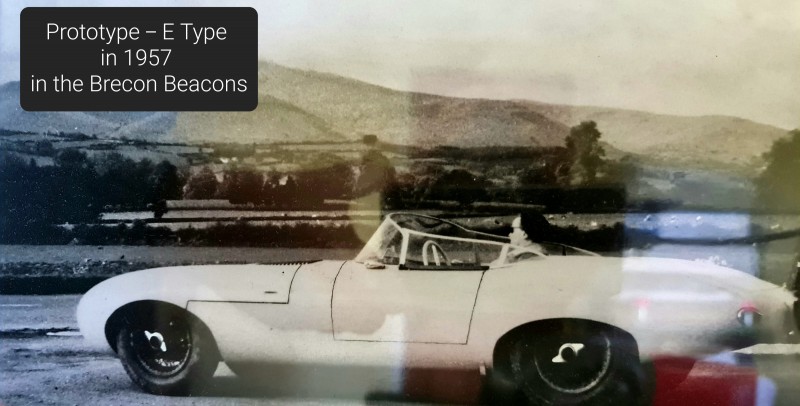
Brooklands Record Breaker was one of the first to drive the prototype E Type in 1957
Margaret (Allan), being a champion racing driver who was one of the leading British female racing and rally drivers in the inter-war years, and one of only four women ever to earn a 120 mph badge at the Brooklands circuit, was married to Lt Col Christopher Jennings the High Sheriff of Carmarthenshire a personal friend of Sir William Lyons, who also happened to be the editor of The Motor magazine and the couple were the Beckhams of their day.
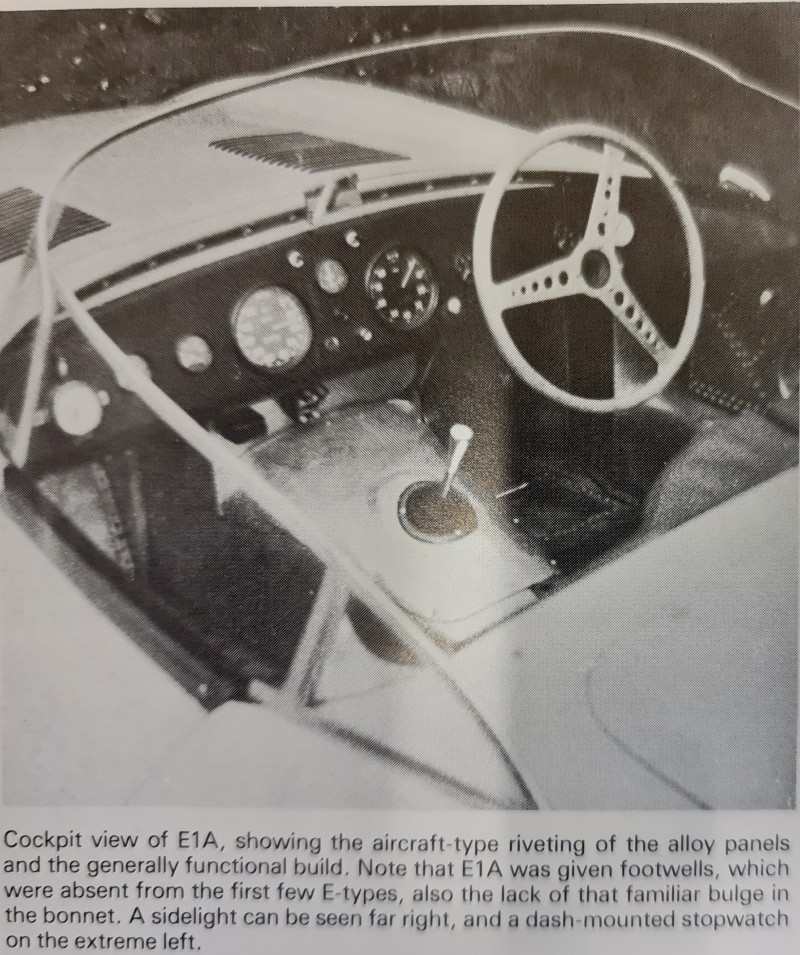
At 7 am on a perfect May morning in 1957, Jennings set off in the Jaguar E Type E1A prototype from his home in Carmarthenshire, accompanied by his wife, to test the car on his favourite route between Brecon and Carmarthen with Margaret driving the return journey “At no time did we exceed 120mph. It will be seen therefore that the new Jaguar E Type is a potential world-beater.” was Chris Jennings quote from his Motorsport article.

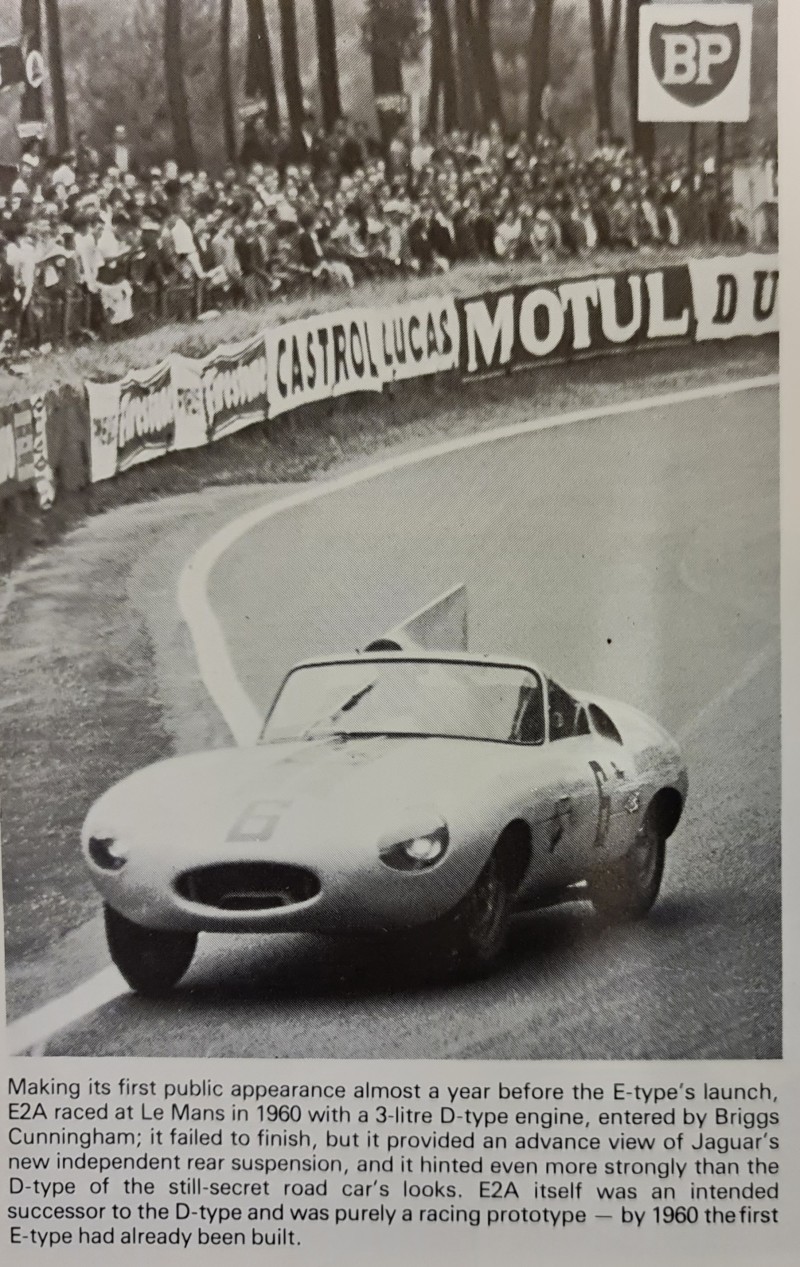
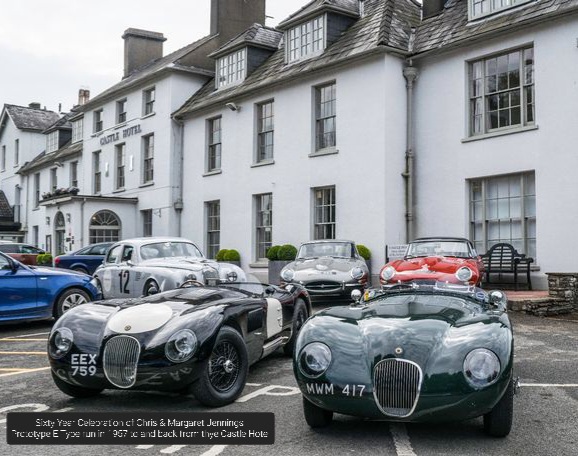
The rivalry between Mercedes, Ferrari, & Jaguar teams of the 50s, 60s at Le Mans is legendary
This period in Jaguar Motoring history facinates me, especially when Jaguar Cars set out to win the Le Mans race winning in 1951 on the first outing of their C Type Jaguar & was the 19th Grand Prix of Endurance which took place on 23 and 24 June 1951.

It was won by Peter Walker and Peter Whitehead in their works-entered Jaguar C-type, the first Le Mans win for the marque.
lanes-cars-e-type-xk120-140-150-mk2-xj6-jaguar-replica-lightweight-low-drag-aluminium-specialists-classic-jaguar-ev-conversions-e-type-xk120-140-150-mk2-rbw-main-agent-distributor-worldwide
